Buy heilpädagogik.eu ?
We are moving the project
heilpädagogik.eu .
Are you interested in purchasing the domain
heilpädagogik.eu ?
domain@kv-gmbh.de · 0541-91531010
Buy heilpädagogik.eu ?
What does volatility mean?
Volatility refers to the degree of variation or fluctuation in the price of a financial instrument, such as a stock, bond, or currency, over a specific period of time. High volatility indicates that the price of the asset is experiencing large and rapid changes, while low volatility suggests that the price is relatively stable. Investors often use volatility as a measure of risk, with higher volatility assets generally considered riskier investments. Traders may also use volatility to identify potential trading opportunities based on the expected price movements. **
How do you calculate volatility?
Volatility is typically calculated using standard deviation, which measures the dispersion of returns around the average return of an investment. To calculate volatility, you would first need to gather historical data on the returns of the investment over a specific period of time. Then, you would calculate the average return and the standard deviation of those returns. The standard deviation is a measure of how much the returns deviate from the average return, with higher standard deviation indicating higher volatility. **


Similar search terms for Volatility
Top-Angebote
Products related to Volatility:
-
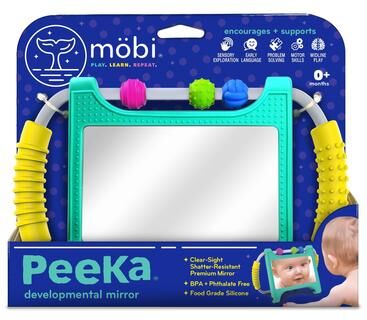
Mobi Peeka Development MirrorPEEKA® developmental mirror was designed by our team of doctors, therapists and parents to help children explore, learn and grow. When you place PEEKA® in the hands of your little ones, you will be amazed at the variety of ways they find to play...26,99 $*Shipping: 0,00 $Secure redirect to the provider
-
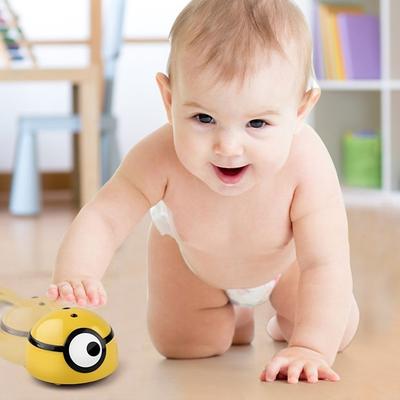
Playful Picks Intelligent Escaping Toy Interactive Baby Development Toy Intelligent Escaping Toy Interactive Baby Development ToyIntelligent Escaping Toy The Ultimate Interactive Baby Development ToyDont let your toddlers get glued to mobile screens; introduce them to the Intelligent Escaping Toy, the perfect alternative that promotes healthy growth and development. Unlike...29,97 $*Shipping: 0,00 $Secure redirect to the provider
-
Uplifted Finds Magnetic Therapy Crystal Quartz Ring For Women With Ionix Wellness Support 9 bEnhance your daily wellness routine with this magnetic therapy crystal quartz ring designed to promote balance, relaxation, and comfort. The elegant design makes it a beautiful accessory, while the embedded magnetic elements offer gentle therapeutic...66,97 $*Shipping: 0,00 $Secure redirect to the provider

-
What does volatility mean in ETFs?
Volatility in ETFs refers to the degree of fluctuation in the price of the ETF over a certain period of time. High volatility indicates that the price of the ETF is experiencing large and frequent fluctuations, while low volatility suggests that the price is relatively stable. Investors often use volatility as a measure of risk, with higher volatility indicating higher risk. Traders may use volatility to make decisions on when to buy or sell an ETF based on their risk tolerance and investment goals. **
-
What does 30-day volatility mean?
30-day volatility refers to the measure of how much the price of an asset, such as a stock or cryptocurrency, is expected to fluctuate over a 30-day period. It is calculated by analyzing historical price movements and is often used by investors and traders to assess the level of risk associated with an investment. A higher 30-day volatility indicates that the price of the asset is more likely to experience significant fluctuations, while lower volatility suggests more stable price movements. **
-
What is the meaning of volatility in chemistry?
In chemistry, volatility refers to the tendency of a substance to vaporize or evaporate at a given temperature. Substances with high volatility tend to vaporize easily, while those with low volatility do not. Volatility is an important factor in determining the behavior of substances in various chemical processes, such as distillation and evaporation. It is also a key consideration in understanding the environmental impact of certain chemicals, as highly volatile substances can easily become airborne and contribute to air pollution. **
-
What is the significance of molecular bonding for volatility?
Molecular bonding is significant for volatility because it determines how tightly the molecules are held together in a substance. Substances with strong molecular bonding, such as those with covalent or ionic bonds, tend to have lower volatility because the molecules are held tightly and are less likely to escape into the vapor phase. On the other hand, substances with weaker molecular bonding, such as those with van der Waals forces or hydrogen bonding, tend to have higher volatility because the molecules are held less tightly and are more likely to escape into the vapor phase. Understanding the molecular bonding of a substance is crucial for predicting its volatility and behavior under different conditions. **

Why does the volatility increase with increasing chain length in alkanes?
The volatility of alkanes increases with increasing chain length because longer chain alkanes have a higher boiling point and lower vapor pressure. This means that longer chain alkanes require more energy to overcome intermolecular forces and transition from the liquid to the gas phase. As a result, longer chain alkanes are less volatile and evaporate more slowly compared to shorter chain alkanes, leading to an increase in volatility with increasing chain length. **
Art therapy or art education?
Art therapy and art education serve different purposes and cater to different needs. Art therapy is a form of therapy that uses the creative process of making art to improve a person's physical, mental, and emotional well-being. It is typically used as a form of treatment for individuals dealing with trauma, stress, or mental health issues. On the other hand, art education focuses on teaching artistic skills, techniques, and art history to individuals who are interested in developing their artistic abilities. Both are valuable in their own right, with art therapy providing therapeutic benefits and art education fostering creativity and skill development. Ultimately, the choice between art therapy and art education depends on the individual's goals and needs. **
Top-Angebote
Products related to Volatility:
-
Perfect Picks Market Geometric Building Blocks Set For Kids Early Education Intelligence Development Toy Geometric Building Blocks Set For Kids Early Education Intelligence Development ToyUnlock your child's potential with this early education equipment designed to stimulate creativity and intelligence! This geometric set is the perfect building block toy for boys, helping to develop problemsolving skills while having fun. The...35,97 $*Shipping: 0,00 $Secure redirect to the provider
-
Mobi Peeka Development MirrorPEEKA® developmental mirror was designed by our team of doctors, therapists and parents to help children explore, learn and grow. When you place PEEKA® in the hands of your little ones, you will be amazed at the variety of ways they find to play...26,99 $*Shipping: 0,00 $Secure redirect to the provider
-
Playful Picks Intelligent Escaping Toy Interactive Baby Development Toy Intelligent Escaping Toy Interactive Baby Development ToyIntelligent Escaping Toy The Ultimate Interactive Baby Development ToyDont let your toddlers get glued to mobile screens; introduce them to the Intelligent Escaping Toy, the perfect alternative that promotes healthy growth and development. Unlike...29,97 $*Shipping: 0,00 $Secure redirect to the provider
-
What does volatility mean?
Volatility refers to the degree of variation or fluctuation in the price of a financial instrument, such as a stock, bond, or currency, over a specific period of time. High volatility indicates that the price of the asset is experiencing large and rapid changes, while low volatility suggests that the price is relatively stable. Investors often use volatility as a measure of risk, with higher volatility assets generally considered riskier investments. Traders may also use volatility to identify potential trading opportunities based on the expected price movements. **
-
How do you calculate volatility?
Volatility is typically calculated using standard deviation, which measures the dispersion of returns around the average return of an investment. To calculate volatility, you would first need to gather historical data on the returns of the investment over a specific period of time. Then, you would calculate the average return and the standard deviation of those returns. The standard deviation is a measure of how much the returns deviate from the average return, with higher standard deviation indicating higher volatility. **
-
What does volatility mean in ETFs?
Volatility in ETFs refers to the degree of fluctuation in the price of the ETF over a certain period of time. High volatility indicates that the price of the ETF is experiencing large and frequent fluctuations, while low volatility suggests that the price is relatively stable. Investors often use volatility as a measure of risk, with higher volatility indicating higher risk. Traders may use volatility to make decisions on when to buy or sell an ETF based on their risk tolerance and investment goals. **
-
What does 30-day volatility mean?
30-day volatility refers to the measure of how much the price of an asset, such as a stock or cryptocurrency, is expected to fluctuate over a 30-day period. It is calculated by analyzing historical price movements and is often used by investors and traders to assess the level of risk associated with an investment. A higher 30-day volatility indicates that the price of the asset is more likely to experience significant fluctuations, while lower volatility suggests more stable price movements. **
Similar search terms for Volatility
-
Uplifted Finds Magnetic Therapy Crystal Quartz Ring For Women With Ionix Wellness Support 9 bEnhance your daily wellness routine with this magnetic therapy crystal quartz ring designed to promote balance, relaxation, and comfort. The elegant design makes it a beautiful accessory, while the embedded magnetic elements offer gentle therapeutic...66,97 $*Shipping: 0,00 $Secure redirect to the provider
-
What is the meaning of volatility in chemistry?
In chemistry, volatility refers to the tendency of a substance to vaporize or evaporate at a given temperature. Substances with high volatility tend to vaporize easily, while those with low volatility do not. Volatility is an important factor in determining the behavior of substances in various chemical processes, such as distillation and evaporation. It is also a key consideration in understanding the environmental impact of certain chemicals, as highly volatile substances can easily become airborne and contribute to air pollution. **
-
What is the significance of molecular bonding for volatility?
Molecular bonding is significant for volatility because it determines how tightly the molecules are held together in a substance. Substances with strong molecular bonding, such as those with covalent or ionic bonds, tend to have lower volatility because the molecules are held tightly and are less likely to escape into the vapor phase. On the other hand, substances with weaker molecular bonding, such as those with van der Waals forces or hydrogen bonding, tend to have higher volatility because the molecules are held less tightly and are more likely to escape into the vapor phase. Understanding the molecular bonding of a substance is crucial for predicting its volatility and behavior under different conditions. **
-
Why does the volatility increase with increasing chain length in alkanes?
The volatility of alkanes increases with increasing chain length because longer chain alkanes have a higher boiling point and lower vapor pressure. This means that longer chain alkanes require more energy to overcome intermolecular forces and transition from the liquid to the gas phase. As a result, longer chain alkanes are less volatile and evaporate more slowly compared to shorter chain alkanes, leading to an increase in volatility with increasing chain length. **
-
Art therapy or art education?
Art therapy and art education serve different purposes and cater to different needs. Art therapy is a form of therapy that uses the creative process of making art to improve a person's physical, mental, and emotional well-being. It is typically used as a form of treatment for individuals dealing with trauma, stress, or mental health issues. On the other hand, art education focuses on teaching artistic skills, techniques, and art history to individuals who are interested in developing their artistic abilities. Both are valuable in their own right, with art therapy providing therapeutic benefits and art education fostering creativity and skill development. Ultimately, the choice between art therapy and art education depends on the individual's goals and needs. **
* All prices are inclusive of VAT and, if applicable, plus shipping costs. The offer information is based on the details provided by the respective shop and is updated through automated processes. Real-time updates do not occur, so deviations can occur in individual cases. ** Note: Parts of this content were created by AI.