Buy heilpädagogik.eu ?
We are moving the project
heilpädagogik.eu .
Are you interested in purchasing the domain
heilpädagogik.eu ?
domain@kv-gmbh.de · 0541-91531010
Buy heilpädagogik.eu ?
Are dipoles always polar?
No, dipoles are not always polar. A dipole is formed when there is a separation of positive and negative charges within a molecule. If the molecule is symmetrical and the charges are evenly distributed, the dipole moments cancel each other out, resulting in a nonpolar molecule. Only asymmetrical molecules with an uneven distribution of charges will have a net dipole moment, making them polar. **
Do ionic compounds form dipoles?
Ionic compounds do not form dipoles because they consist of ions held together by electrostatic forces of attraction. In an ionic compound, one atom donates electrons to another atom, resulting in the formation of positively and negatively charged ions. These ions are arranged in a crystal lattice structure, with no separation of charges within individual molecules to create dipoles. **


Similar search terms for Dipoles
Top-Angebote
Products related to Dipoles:
-
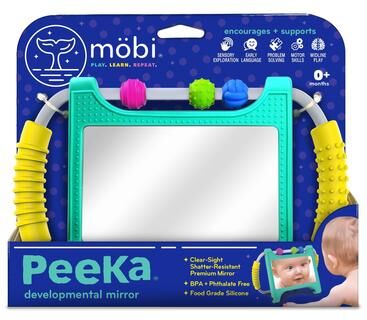
Mobi Peeka Development MirrorPEEKA® developmental mirror was designed by our team of doctors, therapists and parents to help children explore, learn and grow. When you place PEEKA® in the hands of your little ones, you will be amazed at the variety of ways they find to play...26,99 $*Shipping: 0,00 $Secure redirect to the provider
-
StayWell Copper Therapy Bracelet Copper Therapy Bracelet"Are you a fashionista who also wants to wear jewelry that can be beneficial to your health Get your hands on this ""Copper Therapy Bracelet,"" which can increase blood circulation while also making you appear stylish. This bracelet will generate a..."30,97 $*Shipping: 0,00 $Secure redirect to the provider
-
Uplifted Finds Magnetic Therapy Crystal Quartz Ring For Women With Ionix Wellness Support 8 bEnhance your daily wellness routine with this magnetic therapy crystal quartz ring designed to promote balance, relaxation, and comfort. The elegant design makes it a beautiful accessory, while the embedded magnetic elements offer gentle therapeutic...66,97 $*Shipping: 0,00 $Secure redirect to the provider



-
Are all polar bonds dipoles?
Yes, all polar bonds are dipoles. A polar bond is a type of covalent bond where there is an unequal sharing of electrons between two atoms, resulting in a partial positive and partial negative charge on the atoms involved. This charge separation creates a dipole moment, making the bond a dipole. **
-
What are dipoles in chemistry?
In chemistry, a dipole refers to a molecule that has a separation of positive and negative charges. This occurs when there is an unequal distribution of electrons within the molecule, causing one end to be slightly positive and the other end to be slightly negative. This separation of charges creates a dipole moment, which can result in the molecule having polar characteristics. Dipoles are important in understanding the behavior of molecules in various chemical reactions and interactions. **
-
How can one recognize dipoles?
Dipoles can be recognized by looking at the distribution of charge within a molecule. A molecule with a significant difference in electronegativity between its atoms is likely to have a dipole moment. Additionally, if a molecule has a symmetrical shape, it is less likely to be a dipole, while asymmetrical shapes are more likely to have a dipole moment. Experimentally, dipoles can be identified using techniques such as infrared spectroscopy or measuring the molecule's behavior in an electric field. **
-
Are all angular molecules dipoles?
No, not all angular molecules are dipoles. A molecule is a dipole if it has a separation of positive and negative charges, which occurs when the molecule is asymmetrical. Angular molecules, also known as bent molecules, can be dipoles if they have an uneven distribution of electrons, resulting in a net dipole moment. However, some angular molecules, such as carbon dioxide (CO2), are symmetrical and do not have a net dipole moment. **


Are they dipoles or not?
It depends on the specific molecules in question. If a molecule has a significant difference in electronegativity between its atoms and a non-symmetrical shape, it is likely to be a dipole. However, if a molecule has a symmetrical shape or the electronegativity difference between its atoms is negligible, it is likely to be non-polar and not a dipole. It is important to consider both the shape and the electronegativity of the atoms in a molecule to determine if it is a dipole or not. **
Are BF3, CCl4, and CH3OH dipoles?
BF3 and CCl4 are nonpolar molecules because they have a symmetrical arrangement of their atoms, which results in a net dipole moment of zero. On the other hand, CH3OH is a polar molecule because it has a bent shape and the oxygen atom pulls the electron density towards itself, creating a net dipole moment. Therefore, BF3 and CCl4 are nonpolar, while CH3OH is a polar molecule. **
Top-Angebote
Products related to Dipoles:
-
Perfect Picks Market Geometric Building Blocks Set For Kids Early Education Intelligence Development Toy Geometric Building Blocks Set For Kids Early Education Intelligence Development ToyUnlock your child's potential with this early education equipment designed to stimulate creativity and intelligence! This geometric set is the perfect building block toy for boys, helping to develop problemsolving skills while having fun. The...35,97 $*Shipping: 0,00 $Secure redirect to the provider
-
Mobi Peeka Development MirrorPEEKA® developmental mirror was designed by our team of doctors, therapists and parents to help children explore, learn and grow. When you place PEEKA® in the hands of your little ones, you will be amazed at the variety of ways they find to play...26,99 $*Shipping: 0,00 $Secure redirect to the provider
-
StayWell Copper Therapy Bracelet Copper Therapy Bracelet"Are you a fashionista who also wants to wear jewelry that can be beneficial to your health Get your hands on this ""Copper Therapy Bracelet,"" which can increase blood circulation while also making you appear stylish. This bracelet will generate a..."30,97 $*Shipping: 0,00 $Secure redirect to the provider
-
Are dipoles always polar?
No, dipoles are not always polar. A dipole is formed when there is a separation of positive and negative charges within a molecule. If the molecule is symmetrical and the charges are evenly distributed, the dipole moments cancel each other out, resulting in a nonpolar molecule. Only asymmetrical molecules with an uneven distribution of charges will have a net dipole moment, making them polar. **
-
Do ionic compounds form dipoles?
Ionic compounds do not form dipoles because they consist of ions held together by electrostatic forces of attraction. In an ionic compound, one atom donates electrons to another atom, resulting in the formation of positively and negatively charged ions. These ions are arranged in a crystal lattice structure, with no separation of charges within individual molecules to create dipoles. **
-
Are all polar bonds dipoles?
Yes, all polar bonds are dipoles. A polar bond is a type of covalent bond where there is an unequal sharing of electrons between two atoms, resulting in a partial positive and partial negative charge on the atoms involved. This charge separation creates a dipole moment, making the bond a dipole. **
-
What are dipoles in chemistry?
In chemistry, a dipole refers to a molecule that has a separation of positive and negative charges. This occurs when there is an unequal distribution of electrons within the molecule, causing one end to be slightly positive and the other end to be slightly negative. This separation of charges creates a dipole moment, which can result in the molecule having polar characteristics. Dipoles are important in understanding the behavior of molecules in various chemical reactions and interactions. **
Similar search terms for Dipoles
-
Uplifted Finds Magnetic Therapy Crystal Quartz Ring For Women With Ionix Wellness Support 8 bEnhance your daily wellness routine with this magnetic therapy crystal quartz ring designed to promote balance, relaxation, and comfort. The elegant design makes it a beautiful accessory, while the embedded magnetic elements offer gentle therapeutic...66,97 $*Shipping: 0,00 $Secure redirect to the provider
-
How can one recognize dipoles?
Dipoles can be recognized by looking at the distribution of charge within a molecule. A molecule with a significant difference in electronegativity between its atoms is likely to have a dipole moment. Additionally, if a molecule has a symmetrical shape, it is less likely to be a dipole, while asymmetrical shapes are more likely to have a dipole moment. Experimentally, dipoles can be identified using techniques such as infrared spectroscopy or measuring the molecule's behavior in an electric field. **
-
Are all angular molecules dipoles?
No, not all angular molecules are dipoles. A molecule is a dipole if it has a separation of positive and negative charges, which occurs when the molecule is asymmetrical. Angular molecules, also known as bent molecules, can be dipoles if they have an uneven distribution of electrons, resulting in a net dipole moment. However, some angular molecules, such as carbon dioxide (CO2), are symmetrical and do not have a net dipole moment. **
-
Are they dipoles or not?
It depends on the specific molecules in question. If a molecule has a significant difference in electronegativity between its atoms and a non-symmetrical shape, it is likely to be a dipole. However, if a molecule has a symmetrical shape or the electronegativity difference between its atoms is negligible, it is likely to be non-polar and not a dipole. It is important to consider both the shape and the electronegativity of the atoms in a molecule to determine if it is a dipole or not. **
-
Are BF3, CCl4, and CH3OH dipoles?
BF3 and CCl4 are nonpolar molecules because they have a symmetrical arrangement of their atoms, which results in a net dipole moment of zero. On the other hand, CH3OH is a polar molecule because it has a bent shape and the oxygen atom pulls the electron density towards itself, creating a net dipole moment. Therefore, BF3 and CCl4 are nonpolar, while CH3OH is a polar molecule. **
* All prices are inclusive of VAT and, if applicable, plus shipping costs. The offer information is based on the details provided by the respective shop and is updated through automated processes. Real-time updates do not occur, so deviations can occur in individual cases. ** Note: Parts of this content were created by AI.