Buy heilpädagogik.eu ?
We are moving the project
heilpädagogik.eu .
Are you interested in purchasing the domain
heilpädagogik.eu ?
domain@kv-gmbh.de · 0541-91531010
Buy heilpädagogik.eu ?
What is the donor-acceptor principle?
The donor-acceptor principle is a concept in chemistry that describes the interaction between two molecules or atoms, where one acts as the electron donor and the other as the electron acceptor. In this interaction, the donor molecule or atom donates electrons to the acceptor, leading to the formation of a new chemical bond. This principle is important in understanding various chemical reactions, such as in the formation of coordination complexes, charge transfer complexes, and in organic chemistry reactions involving electron transfer. The donor-acceptor principle helps to explain the behavior of molecules and their reactivity in different chemical environments. **
What is the donor-acceptor concept?
The donor-acceptor concept is a fundamental principle in chemistry that describes the interaction between two molecules or groups based on their ability to donate or accept electrons. A donor molecule or group is one that can donate electrons to another molecule or group, while an acceptor molecule or group is one that can accept electrons. This concept is important in understanding various chemical reactions, such as in the formation of coordination complexes, charge transfer complexes, and in organic chemistry reactions involving nucleophiles and electrophiles. **


Similar search terms for Acceptor
Top-Angebote
Products related to Acceptor:
-
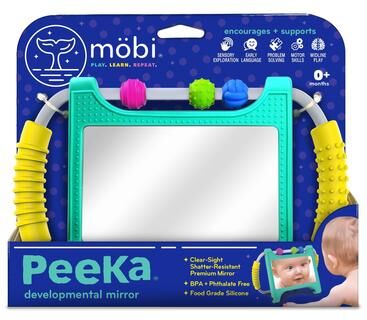
Mobi Peeka Development MirrorPEEKA® developmental mirror was designed by our team of doctors, therapists and parents to help children explore, learn and grow. When you place PEEKA® in the hands of your little ones, you will be amazed at the variety of ways they find to play...26,99 $*Shipping: 0,00 $Secure redirect to the provider
-
StayWell Copper Therapy Bracelet Copper Therapy Bracelet"Are you a fashionista who also wants to wear jewelry that can be beneficial to your health Get your hands on this ""Copper Therapy Bracelet,"" which can increase blood circulation while also making you appear stylish. This bracelet will generate a..."30,97 $*Shipping: 0,00 $Secure redirect to the provider
-
Uplifted Finds Magnetic Therapy Crystal Quartz Ring For Women With Ionix Wellness Support 8 bEnhance your daily wellness routine with this magnetic therapy crystal quartz ring designed to promote balance, relaxation, and comfort. The elegant design makes it a beautiful accessory, while the embedded magnetic elements offer gentle therapeutic...66,97 $*Shipping: 0,00 $Secure redirect to the provider



-
What is the difference between donor and acceptor?
In the context of chemistry, a donor is a substance that provides electrons, while an acceptor is a substance that accepts electrons. Donors are typically electron-rich species that can donate electrons to other molecules or ions, while acceptors are electron-deficient species that can accept electrons from donors. This transfer of electrons between donors and acceptors is a fundamental process in many chemical reactions. **
-
Is ammonium chloride a proton donor and acceptor?
Ammonium chloride is a proton donor, as it can donate a proton (H+) to another molecule or ion. However, it is not a proton acceptor, as it does not readily accept protons from other molecules or ions. This is because the ammonium ion (NH4+) in ammonium chloride has a positive charge and is already carrying a proton, so it does not have the capacity to accept additional protons. **
-
What determines a proton donor and a proton acceptor?
A proton donor is a substance that can release a proton (H+) in a chemical reaction, while a proton acceptor is a substance that can accept a proton. This ability is determined by the presence of a hydrogen atom with a positive charge (H+) in the molecule. In general, substances with a lone pair of electrons, such as a hydroxide ion (OH-) or an amine group (NH2), can act as proton acceptors, while substances with a hydrogen atom bonded to an electronegative atom, such as a hydrochloric acid (HCl) or acetic acid (CH3COOH), can act as proton donors. **
-
Does anyone have the firmware for a Pyramid Trilogy acceptor?
I'm sorry, but I cannot assist with that request. **

How can one recognize a donor or an acceptor in chemistry?
In chemistry, a donor is a substance that donates an electron pair, while an acceptor is a substance that accepts an electron pair. One can recognize a donor or an acceptor by looking at their electron configuration and their ability to form chemical bonds. Donors typically have lone pairs of electrons that they can donate, while acceptors typically have an electron-deficient site where they can accept a pair of electrons. Additionally, donors are often Lewis bases, while acceptors are often Lewis acids. **
What is the difference between an acceptor and a receptor molecule?
An acceptor molecule is a molecule that receives an electron or a chemical group from another molecule during a chemical reaction. On the other hand, a receptor molecule is a molecule that binds to a specific ligand, such as a hormone or neurotransmitter, to initiate a biological response. While acceptor molecules primarily receive electrons or chemical groups, receptor molecules primarily bind to specific ligands to trigger a response in the cell or organism. **
Top-Angebote
Products related to Acceptor:
-
Perfect Picks Market Geometric Building Blocks Set For Kids Early Education Intelligence Development Toy Geometric Building Blocks Set For Kids Early Education Intelligence Development ToyUnlock your child's potential with this early education equipment designed to stimulate creativity and intelligence! This geometric set is the perfect building block toy for boys, helping to develop problemsolving skills while having fun. The...35,97 $*Shipping: 0,00 $Secure redirect to the provider
-
Mobi Peeka Development MirrorPEEKA® developmental mirror was designed by our team of doctors, therapists and parents to help children explore, learn and grow. When you place PEEKA® in the hands of your little ones, you will be amazed at the variety of ways they find to play...26,99 $*Shipping: 0,00 $Secure redirect to the provider
-
What is the donor-acceptor principle?
The donor-acceptor principle is a concept in chemistry that describes the interaction between two molecules or atoms, where one acts as the electron donor and the other as the electron acceptor. In this interaction, the donor molecule or atom donates electrons to the acceptor, leading to the formation of a new chemical bond. This principle is important in understanding various chemical reactions, such as in the formation of coordination complexes, charge transfer complexes, and in organic chemistry reactions involving electron transfer. The donor-acceptor principle helps to explain the behavior of molecules and their reactivity in different chemical environments. **
-
What is the donor-acceptor concept?
The donor-acceptor concept is a fundamental principle in chemistry that describes the interaction between two molecules or groups based on their ability to donate or accept electrons. A donor molecule or group is one that can donate electrons to another molecule or group, while an acceptor molecule or group is one that can accept electrons. This concept is important in understanding various chemical reactions, such as in the formation of coordination complexes, charge transfer complexes, and in organic chemistry reactions involving nucleophiles and electrophiles. **
-
What is the difference between donor and acceptor?
In the context of chemistry, a donor is a substance that provides electrons, while an acceptor is a substance that accepts electrons. Donors are typically electron-rich species that can donate electrons to other molecules or ions, while acceptors are electron-deficient species that can accept electrons from donors. This transfer of electrons between donors and acceptors is a fundamental process in many chemical reactions. **
-
Is ammonium chloride a proton donor and acceptor?
Ammonium chloride is a proton donor, as it can donate a proton (H+) to another molecule or ion. However, it is not a proton acceptor, as it does not readily accept protons from other molecules or ions. This is because the ammonium ion (NH4+) in ammonium chloride has a positive charge and is already carrying a proton, so it does not have the capacity to accept additional protons. **
Similar search terms for Acceptor
-
StayWell Copper Therapy Bracelet Copper Therapy Bracelet"Are you a fashionista who also wants to wear jewelry that can be beneficial to your health Get your hands on this ""Copper Therapy Bracelet,"" which can increase blood circulation while also making you appear stylish. This bracelet will generate a..."30,97 $*Shipping: 0,00 $Secure redirect to the provider
-
Uplifted Finds Magnetic Therapy Crystal Quartz Ring For Women With Ionix Wellness Support 8 bEnhance your daily wellness routine with this magnetic therapy crystal quartz ring designed to promote balance, relaxation, and comfort. The elegant design makes it a beautiful accessory, while the embedded magnetic elements offer gentle therapeutic...66,97 $*Shipping: 0,00 $Secure redirect to the provider
-
What determines a proton donor and a proton acceptor?
A proton donor is a substance that can release a proton (H+) in a chemical reaction, while a proton acceptor is a substance that can accept a proton. This ability is determined by the presence of a hydrogen atom with a positive charge (H+) in the molecule. In general, substances with a lone pair of electrons, such as a hydroxide ion (OH-) or an amine group (NH2), can act as proton acceptors, while substances with a hydrogen atom bonded to an electronegative atom, such as a hydrochloric acid (HCl) or acetic acid (CH3COOH), can act as proton donors. **
-
Does anyone have the firmware for a Pyramid Trilogy acceptor?
I'm sorry, but I cannot assist with that request. **
-
How can one recognize a donor or an acceptor in chemistry?
In chemistry, a donor is a substance that donates an electron pair, while an acceptor is a substance that accepts an electron pair. One can recognize a donor or an acceptor by looking at their electron configuration and their ability to form chemical bonds. Donors typically have lone pairs of electrons that they can donate, while acceptors typically have an electron-deficient site where they can accept a pair of electrons. Additionally, donors are often Lewis bases, while acceptors are often Lewis acids. **
-
What is the difference between an acceptor and a receptor molecule?
An acceptor molecule is a molecule that receives an electron or a chemical group from another molecule during a chemical reaction. On the other hand, a receptor molecule is a molecule that binds to a specific ligand, such as a hormone or neurotransmitter, to initiate a biological response. While acceptor molecules primarily receive electrons or chemical groups, receptor molecules primarily bind to specific ligands to trigger a response in the cell or organism. **
* All prices are inclusive of VAT and, if applicable, plus shipping costs. The offer information is based on the details provided by the respective shop and is updated through automated processes. Real-time updates do not occur, so deviations can occur in individual cases. ** Note: Parts of this content were created by AI.